Writing
Too Much Stuff
The self-storage facility is a byproduct of rampant American consumerism and is largely an unnecessary building type. What originated as a place to temporarily store one’s possessions during major life events (moving, marriage, divorce, etc) has evolved into essentially an extension of our increasingly large homes and a representation of our bloated material culture. Self-storage buildings have become the architectural facilitators of a materialistic society.
According to the Self Storage Association, the total amount of rentable self storage space in the U.S. is now 2.3 billion square feet (an 800 percent increase from 1984), which is roughly seven square feet for every man, woman, and child in America. Furthermore, people are now renting storage units for greater lengths of time. Most renters (30 percent) report that they will use their storage unit for over two years, while only thirteen percent say they will rent for less than three months. With low turnover rates, more and more self-storage buildings are needed to accommodate increasing demand. The combination of readily available storage space and relatively low monthly fees for maintaining it has encouraged indiscriminate material consumption.
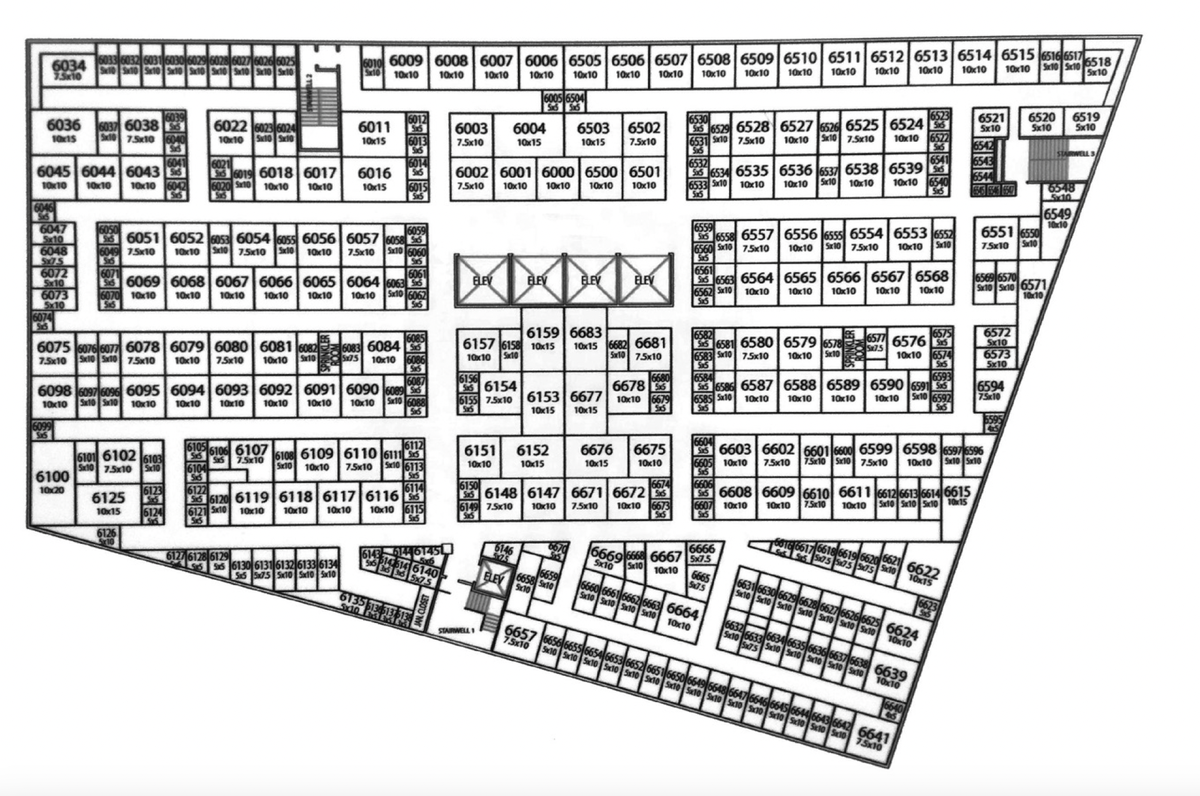
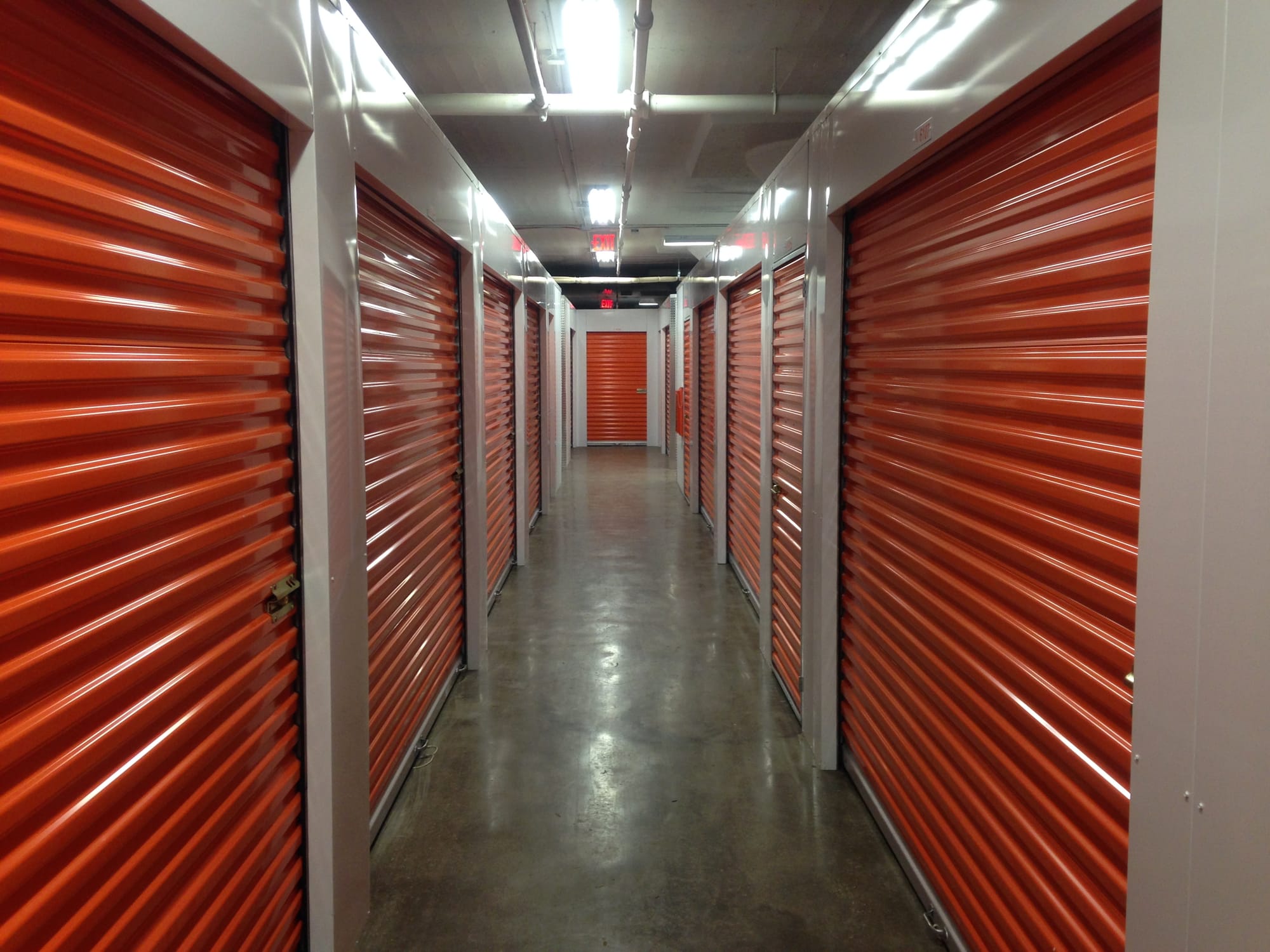
The efficiency-driven design of self-storage facilities has generally kept them out of the public eye. Individual corrugated metal boxes are carefully arranged within a building or across a site like a game of Tetris. Circulation space is minimized, and wasted space is considered economically intolerable. Doors are just wide enough to accommodate a couch or a car (since those are the largest items most people store), and many facilities have minimal mechanical or lighting systems. Due to their utilitarian nature, self-storage buildings can generally be characterized by nondescript architecture and/or peripheral site location. With the only distinguishing element of a storage facility being the color of its roll-up doors, the bland appearance of these buildings keeps them out of the press—out of sight, and out of mind.
Eliminating or repurposing these buildings should take greater precedence than dressing them up. For decades, greater material production and consumption have been synonymous with economic progress, but recently it has become abundantly clear that the environment simply cannot bear the depletion of so many natural resources, and we need to re-evaluate the viability of this correlation. We must be more vigilant in considering the longer-term ramifications of our purchases and their true life-cycle costs. The fundamental premise of storage facilities undermines our pursuit of an ecologically sensitive society. If we want to take material excess and sustainability more seriously, then examining the self-storage facility would be a great place to start.
This essay was originally published (ironically) in CLOG: Unpublished (2013).