Projects
Carbon Cultures
INTRODUCTION
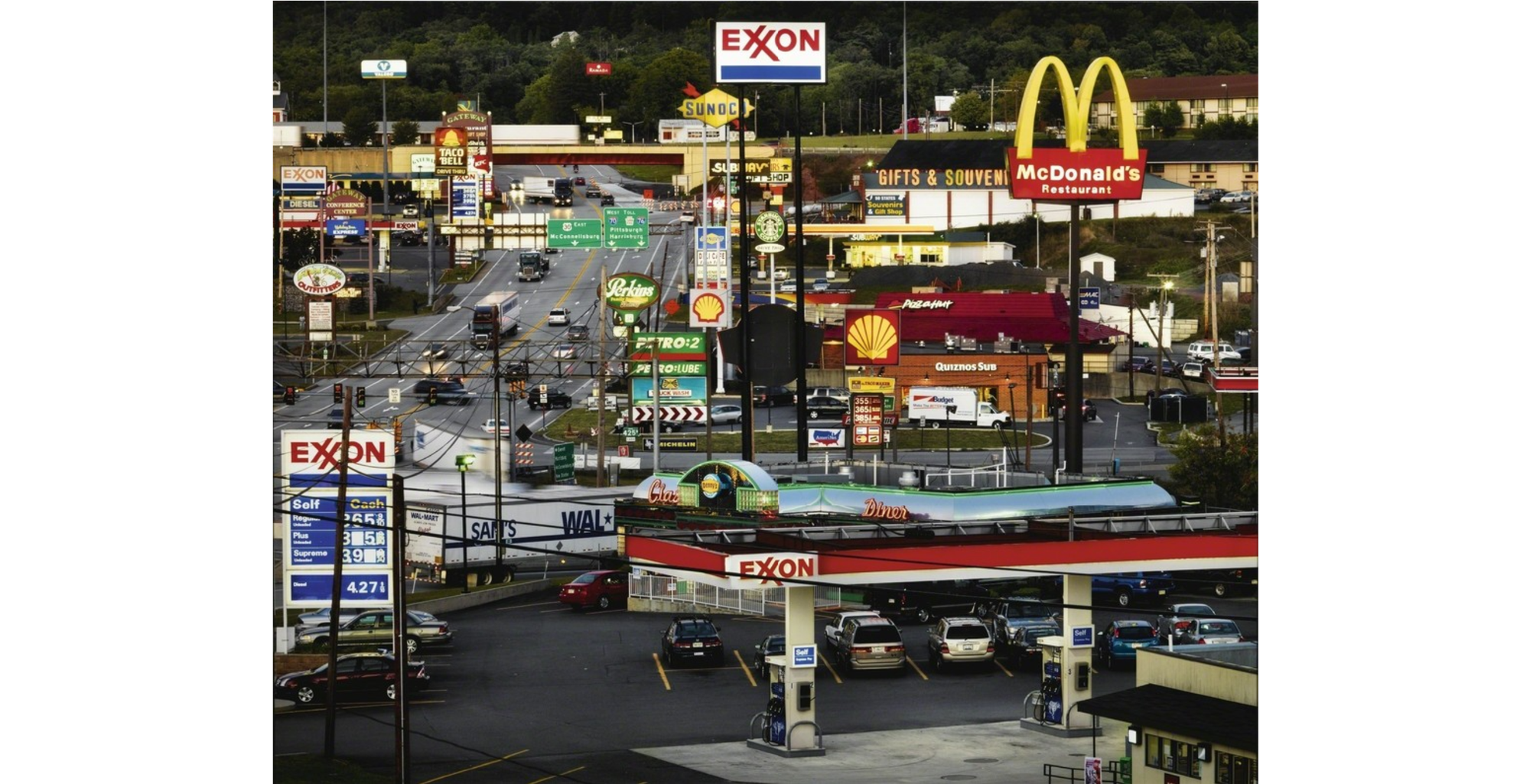
Carbon-based fuels--coal, oil, and natural gas--have largely defined and profoundly impacted our modern way of life. Fossil fuels’ enormous capacity for energy generation spawned new architectural typologies (office towers, department stores, airports), infrastructural networks (highways, shipping container ports), and urban configurations (suburbs, exurbs). Elisa Iturbe, in her essay “Architecture and the Death of Carbon Modernity,” refers to these buildings and systems as “carbon form,” and she uses the example of a spinach leaf to clarify its omnipresence in our society:
“A spinach leaf in itself is not a carbon form. But a spinach leaf grown with petroleum-based pesticides and fertilizers, sown and harvested with gasoline-fueled machinery, packed in a plastic container, delivered on a truck, and sold in an air-conditioned Walmart superstore surrounded by open expanses of asphalt is...a complex network of carbon forms.”
Indeed, the scope of carbon form is extraordinarily vast. Since the rise of industrialization, there have been dozens of architectural styles around the world from Art Nouveau to Postmodernism, but “Carbon Modernity” encompasses them all and has persisted to this day. It is a way of life, an economic engine, and a social order. It is everywhere.
As seen in Edward Burtynsky’s film Manufactured Landscapes (and many others), the impact of fossil fuels has frequently led to catastrophic environmental consequences, but heavy industry is not the only sector that deserves blame. Architecture’s negative impact on the environment is also well-documented. According to the U.S. Green Building Council, thirty-nine percent of carbon dioxide emissions from fossil fuels are attributed to building construction, maintenance, and demolition. In order to create fundamental change in the way architecture is conceived and executed, we must interrogate the foundational carbon infrastructure that undergirds contemporary architectural production.
This studio seeks to understand the complexity of “carbon culture” in the Thai context through individual research that comprehensively documents the reach and impact of our individual actions and the systems that enable and sustain them at three distinct but interrelated scales--the world, the city, and the building. By addressing the politics of personal comfort, the principles of embodied energy, and the potential for a non-extractive architecture, student projects aim to transition away from the single carbon culture we all know--one defined by exploitation, consumerism, and inequality--to a multitude of carbon cultures that range from the practical to the radical. Just as new building types and infrastructural systems emerged from the industrial age, what are the new possibilities for a post-carbon paradigm?
PHASE 1: CARBON CONTEXTS
“It is easier to imagine the end of the world than the end of capitalism.”
- Frederic Jameson, Postmodernism or the Cultural Logic of Late Capitalism (1991)
The first phase of the studio is devoted to comprehending the extent to which fossil fuels have shaped our world and to situate ourselves within their interconnected contexts. Students will acquire a shared understanding and a collective foundation upon which to build their own individual proposals in subsequent phases. This phase will be organized according to a set of multi-scalar concepts and, through a variety of readings and videos, students will discover the links between these issues and the ways in which our everyday habits and routines can have consequences far beyond ourselves. Students will produce written responses and engage in group discussions that address the implications of our carbon-based lifestyles.
1. Energy, Extraction, and Capitalism
- Daggett, Cara. “Putting the World to Work” The Birth of Energy. Duke University Press, 2019. p.1-12
- Grima, Joseph. “Design Without Depletion: On the Need for a New Paradigm in Architecture” Non-Extractive Architecture. Sternberg Press, 2021. p.7-22
- Hickel, Jason. “Welcome to the Anthropocene” Less is More: How Degrowth Will Save the World, W. Heinemann, 2020. p.11-40
2. Urbanism, Architecture, and Ecology
- Iturbe, Elisa. “Architecture and the Death of Carbon Modernity” Log 47: Overcoming Carbon Form. Anyone Corporation, 2019. p.10-23
- Calder, Barnabas. “Form Follows Fuel.” Architecture: From Prehistory to Climate Emergency. Pelican Books, 2021. p.291-322
- Misrach, Richard and Kate Orff. “Introduction” Petrochemical America. Aperture, 2014. p.113-199
3. Consumption, Comfort, and Convenience
- No Impact Man. Shadowbox Films, 2009.
- Barber, Daniel A. “After Comfort” Log 47: Overcoming Carbon Form. Anyone Corporation, 2019. p.45-50
- Wu, Tim. “The Tyranny of Convenience” The New York Times, 2018.
PHASE 2: CARBON CARTOGRAPHY
“Buildings are not so much objects as knots woven out of material flows.”
- Mark Wigley, “Returning the Gift: Running Architecture in Reverse,” Non-Extractive Architecture (2021)
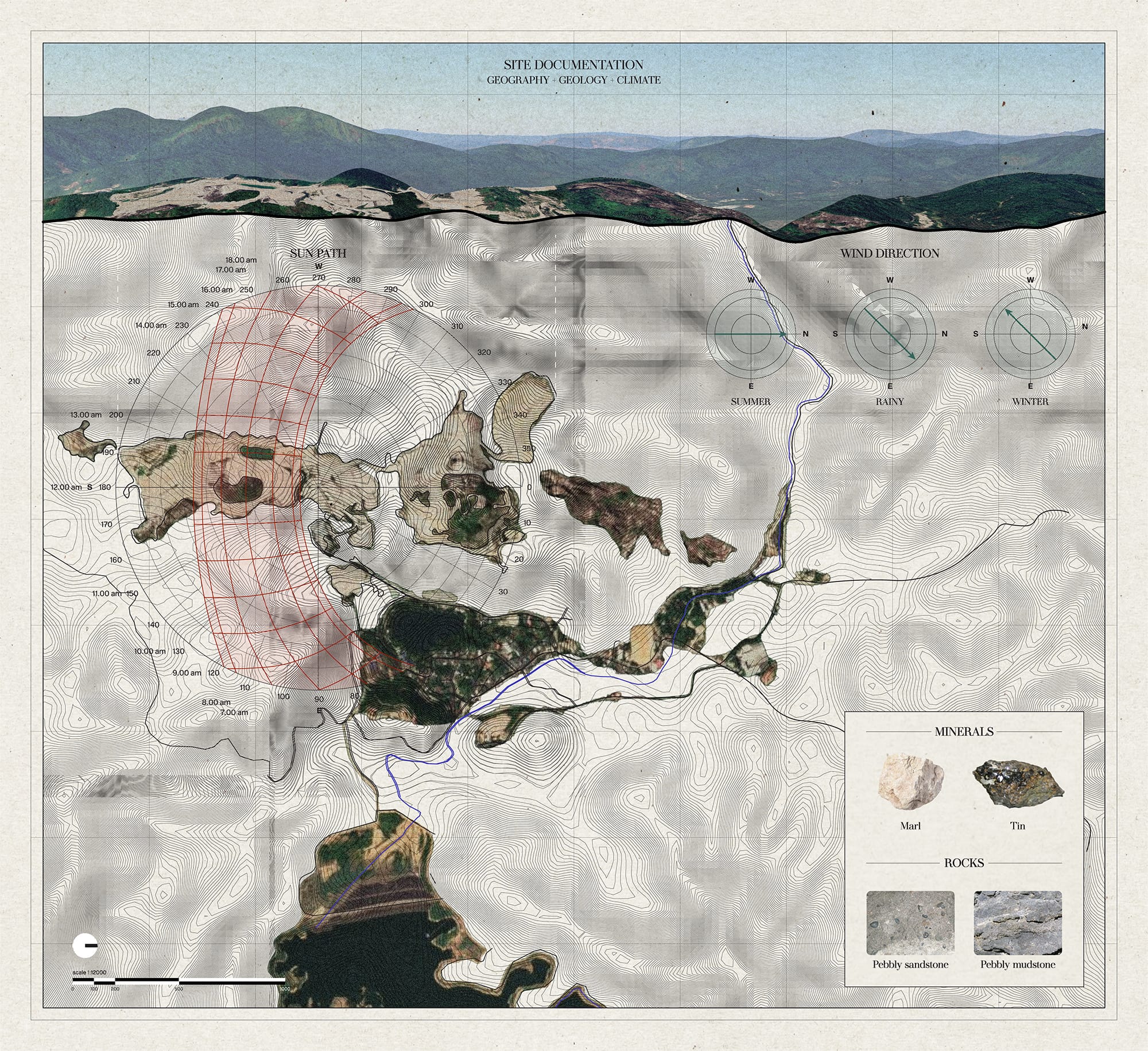
The second phase of the studio asks students to research and map the vast scope of carbon’s influence on modern culture. Adhering to the same multi-scalar structure from phase 1, students will select a previously-discussed topic of their choice and generate a map that reveals the key elements of its carbon-based infrastructure. For example, students may choose to explore the environmental consequences of their own personal habits (like food or work), the extraction processes behind our excessive material culture, the impact of climate refugees, or the often exploitative labor practices in the construction industry. This research will form the basis of a critique of our shared carbon culture and chart a course for the project’s development in subsequent phases.
1. The World
At this scale, topics may include energy production, extraction practices, geopolitics, transnational shipping routes, oil pipelines, environmental degradation, and government policies within the southeast Asian region and beyond.
2. The City
At the city scale, students will focus on logistical networks, urbanization, suburbs, and landscapes in Bangkok as well as the infrastructural systems that enable the city to function.
3. The Building
The analysis at the building scale may include specific building types that were made possible by fossil fuels (towers, factories, warehouses, airports, etc.), material assemblies, construction methods, or specific architectural components. This research may also include a study of household objects, maintenance routines and/or behavioral habits.
Each student is required to map, diagram, and illustrate his/her chosen topic(s) to construct a coherent carbon cartography that clearly reveals the multi-scalar carbon systems in Bangkok and the larger ASEAN region. These drawings should juxtapose a variety of scales and timeframes--the personal and the planetary, the contemporary and the geological. This phase seeks to connect our personal behaviors to their wider cultural and environmental consequences.
PHASE 3: CARBON CRITIQUE
“Every click and hum of the air conditioner kicking in is a slow, extended, collective symphonic lament accompanying the decline of civilization. Comfort is destroying the future, one click and hum at a time.”
- Daniel A. Barber, “After Comfort” (2019)
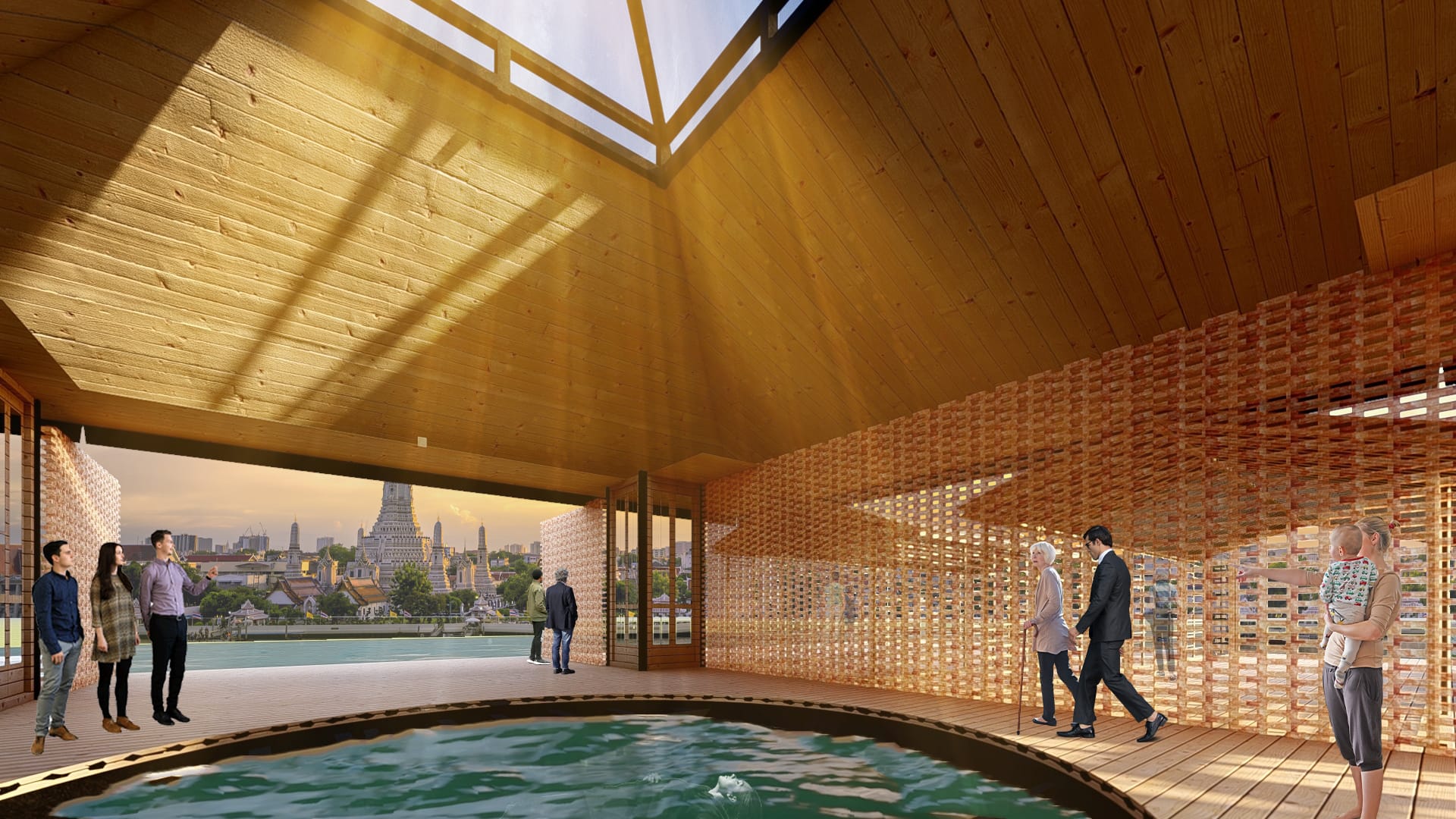
In the third phase, students will evaluate the complex, interconnected systems from their phase 1 and 2 analyses and take a critical position on how they may change in a proposed future scenario. This change may not always be an improvement, and students are welcome to propose either “solutions” to the carbon crisis or more dystopian visions in which the negative consequences of our (thus far) inadequate response to climate change are further exacerbated. Students will speculate on an alternative future and address the ripple effects that even minor changes to the current global energy infrastructure can create. Such scenarios may include a future in which air conditioning is banned and we are forced to reckon with our own standards of personal comfort (the building), a future in which cars are taken off the road and we reoccupy the streets for alternative uses (the city), or a future in which global mining operations are halted and economies of salvaged and reused materials become commonplace (the world).
PHASE 4: CARBON CULTURES
“Limits on the freedom to live in energy-inefficient homes connected by car-dominated motorways. Limits on the freedom to make tedious commutes to sedentary office jobs. Limits on the freedom to mass-farm animals. Limits on the freedom to cram into budget airline cabins and travel at enormous speeds to fleeting foreign holidays. How many of the freedoms promised to the citizens of wealthy societies are really worth fighting for?”
- Phineas Harper, “More than Enough” (2021)
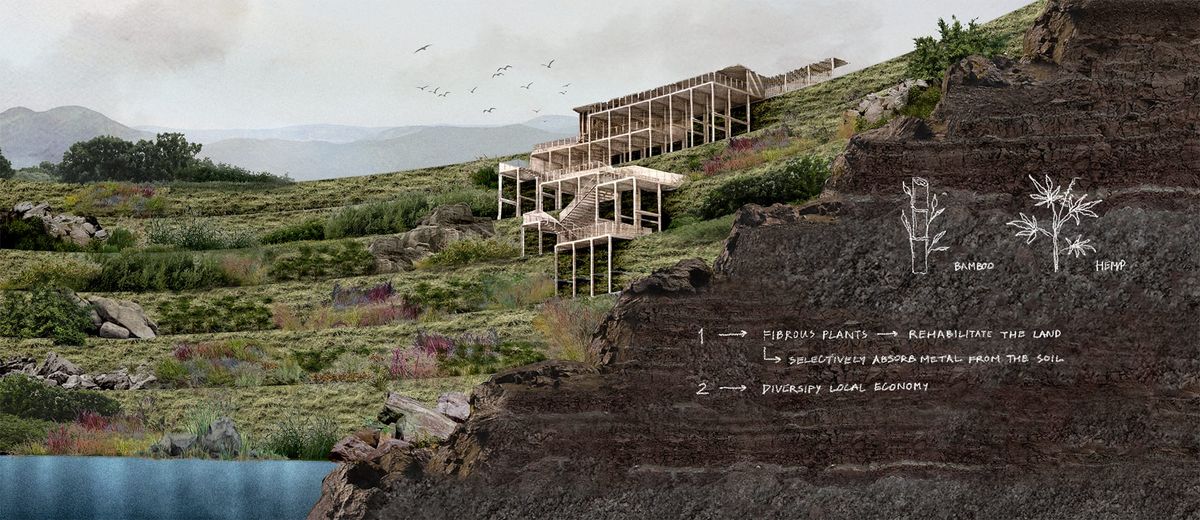
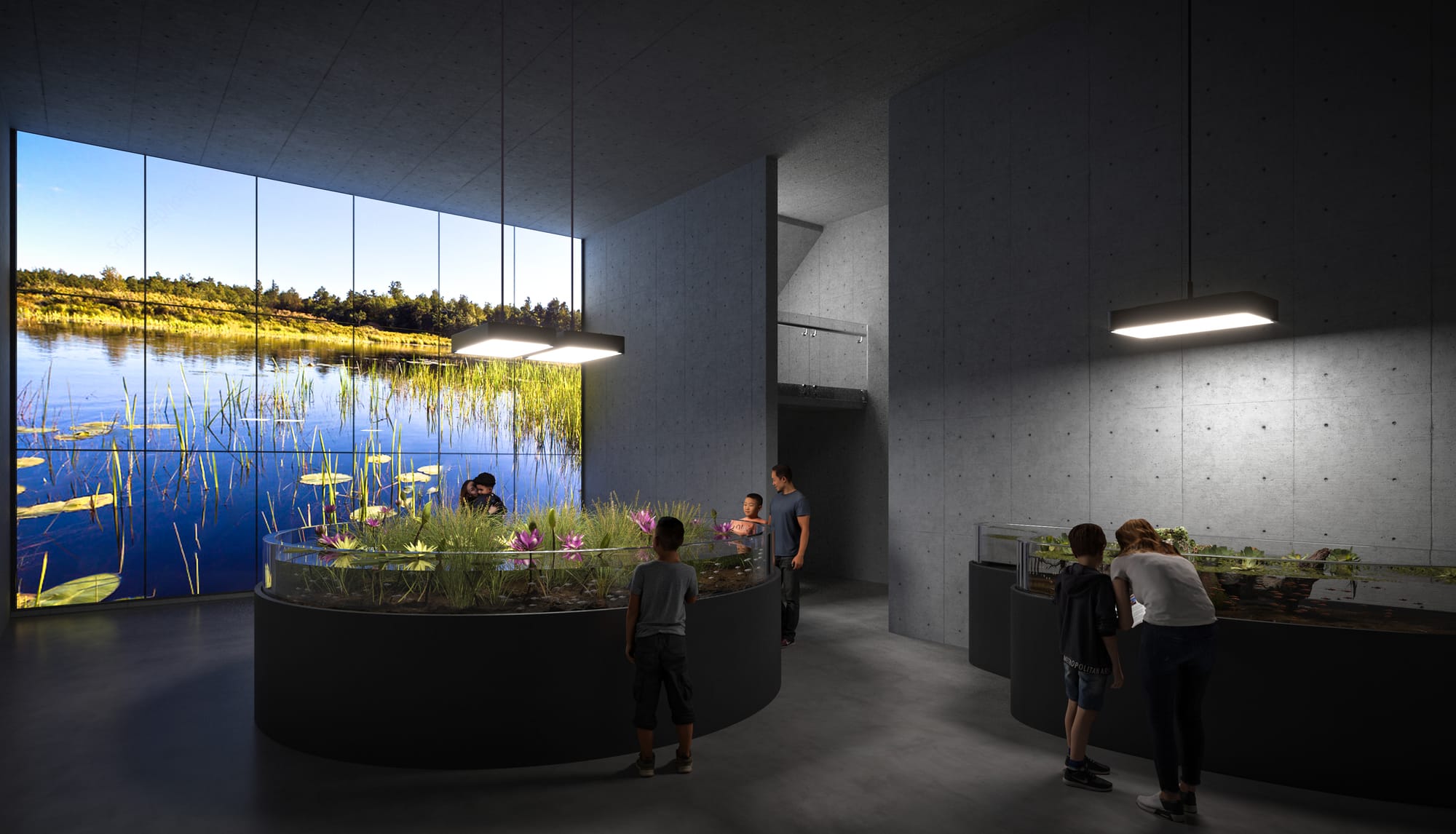
In phase 4, students will explore the consequences of their carbon critique and imagine new carbon cultures. How can we move beyond the system of capitalist extraction and the fallacy of unlimited growth that have led us to the brink of environmental collapse? What are the spatial implications of an architecture that forges a new relationship with carbon? The multitude of entangled systems behind our modern way of life means that there is no simple solution or single way forward. Students will select a site in Thailand that relates to their previous carbon critique (which may have been identified in the ‘Carbon Cartography’). Projects may be situated in a wide variety of contexts–a decommissioned mine, a manufacturing or distribution facility, a brownfield site, a typical city-block, or a significant existing building, for example. In parallel, students will develop a functional program for a single building at any scale (understanding that the building is only a small part of a much larger system). Proposals may range in size, type, or function, but students are required to critically address the following multi-scalar topics, which will be discussed in greater detail through short lectures and supplemental readings in the second half of the semester:
Infrastructure and Density
The economic and environmental benefits of dense urban development are well-documented, but how can we even further intensify our cities? How can we reimagine the systems that define the urban-suburban-exurban connection? Are there alternative ways in which we can live together?
Embodied Energy
Architectural discourse today largely focuses on operational energy efficiency, including low-energy light fixtures, photovoltaic cells, and ‘smart’ appliances, but embodied energy, which can be defined as the sum of all energy required to extract, process, transport, construct, maintain, demolish, and recycle the elements of a building, is equally (if not more) important to consider.
Adaptive Reuse
New construction is fundamentally more resource-intensive than renovation or adaptive reuse. We are seeing a growing number of formerly industrial structures (The High Line in New York, or Warehouse 30 in Bangkok, for example) converted to different uses. Students are encouraged to select sites or buildings that offer convenient connections to infrastructure and access to urban amenities.
Construction Methods and Materials
The conventional materials and construction methods that have defined modern architecture (particularly steel and concrete) are no longer environmentally tenable. Students are encouraged to explore alternative material possibilities, new forms of labor, circular construction systems, and strategies for a non-extractive architecture.
Impermanence
No building lasts forever. By examining the concepts of demolition, erosion, disassembly, and weathering, we will better understand the factors affecting building lifespan.
Lifestyle
Residents of first-world nations have long contributed the highest proportion of carbon emissions, but the developing world is following closely in their footsteps. How can (or should) our lifestyles change? What kinds of sacrifices to our personal comfort will need to be made?
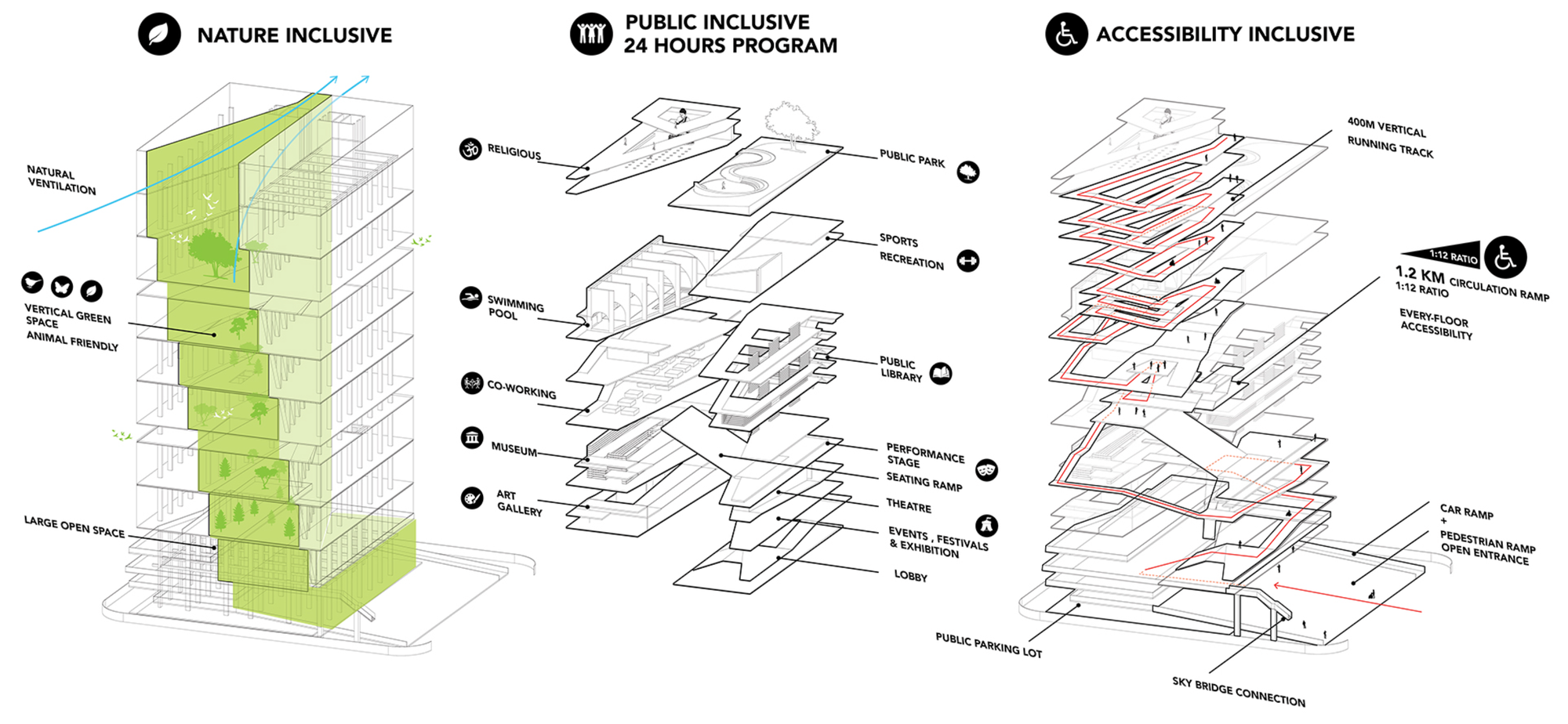
This post describes a fourth-year design studio brief I had written in 2022 for the International Program in Design and Architecture (INDA) at Chulalongkorn University in Bangkok.
Students:
Finley Poranon Thitaparun, Kana Sricharoenchai, Mickey Pattraratee Keerasawangporn, Mimie Pattarawadee Hansiripongsakul, Mint Weerada Chalermnont, Pang Thongtor Nontavatit, Pond Pollakrit Naimee, Poom Poomipat Waengsothorn, Tang Natalie Pirarak